Satellite-Based Weather Forecasting With Machine Learning
Team member responsible for the spacecraft solar power systems sections: efficiency over eclipse periods, radiation and thermal degradation in orbit, and how the two interact
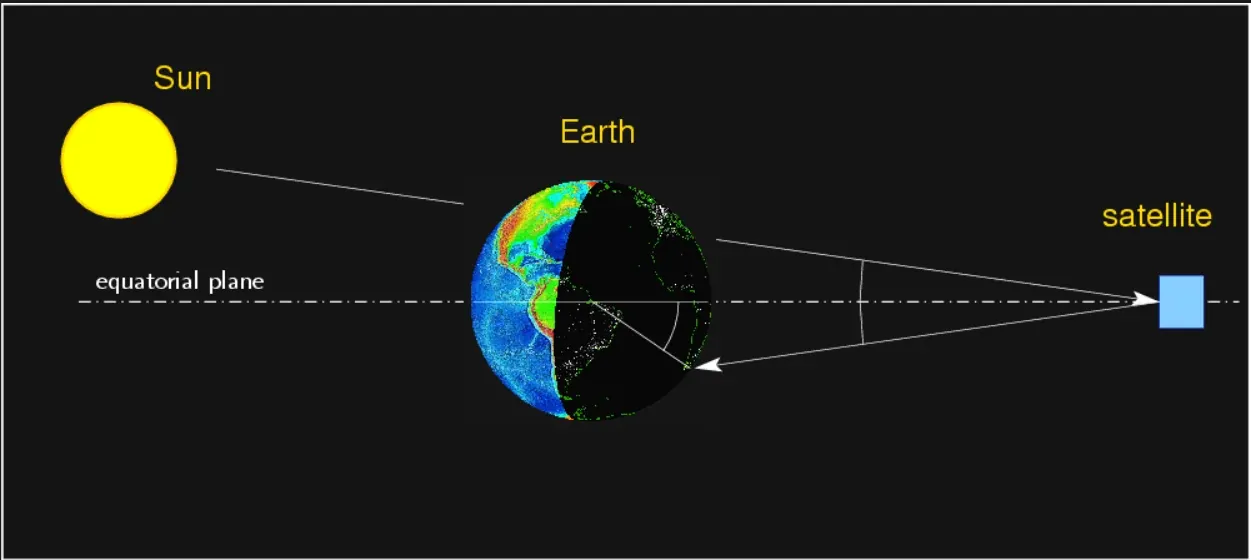
A five-person technical report integrating satellite orbital mechanics, multispectral imaging, Doppler weather radar, machine learning, and spacecraft solar power into a single account of how satellite weather forecasting works.
Objective
Explain, in one integrated technical report, how satellite-based weather forecasting actually works: what the satellite’s orbit does to coverage, how multispectral and thermal-infrared sensors detect clouds, how Doppler weather radar characterizes severe weather, how machine-learning models turn the data into predictions, and what keeps the whole spacecraft powered.
My contribution
I researched and wrote the spacecraft solar power systems chapter. That covered how array output changes across eclipse periods, how radiation exposure and thermal cycling degrade solar arrays over a satellite’s life, and why those two effects have to be considered together when sizing a power system that must keep sensors and transmitters running continuously.
Outcome
The report ties the five subsystems into a single conclusion: reliable forecasting depends on orbits, sensors, radar, models, and power working as one system. Working across a five-person author team also meant agreeing on structure, terminology, and citation standards so the final document reads as one voice.